
"Spanish colonization"
300 article(s) found

History of Colombian Coffee beans Green Gold China Coffee Trading Network
History traces back to Colombian coffee brand Colombian coffee brand (9) the history of coffee cultivation in Colombia can be traced back to the Spanish colonial era in the 16th century, and there are many theories about the history of coffee in Colombia: one: it is said to come from the island of the Caribbean and by sea through El Salvador in Central America. Second: in 1808, a priest came from French Ann.

A brief introduction to the Flavor description of Coffee Bean production area in Tara Zhubo Stora Village, Costa Rica
The strict management of Laminita Farm in Tarazhu production area has established a world-class reputation and is popular in European and American markets for most of the century. It can be called a world-famous coffee farm. Lamini Tower means a small gold mine. Before the Spanish colonization, the Indians used to dig gold in the present farm location, which can be described as a blessed land. Raminita produces about 1 million pounds of coffee beans a year.

Introduction to Columbia Coffee producing area-- Santa Rita Coffee Manor Colombian Fine Coffee producing area
Colombia Santa Rita Special Reserve country: Colombia: Antioquia altitude: 1600-2100 m treatment: washed varieties: Kaduai, Kaddura Manor: Santa Rita Flavor: sucrose, clean, medium alcohol thick Colombian coffee growing history can be traced back to the Spanish colonial era in the 16th century, coffee in Columbia
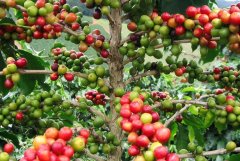
The history of coffee cultivation in Colombia is known as "green gold".
The history of coffee cultivation in Colombia can be traced back to the Spanish colonial era in the 16th century, and there are many theories about the history of coffee in Colombia: one: it is said to come from the island of Haiti in the Caribbean and from El Salvador in Central America. Second: in 1808, a priest introduced coffee beans to Colombia for the first time from the French Antilles via Venezuela. One of them
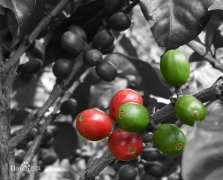
Micro-producing area of Santa Rita coffee in the Andes, Colombia
The history of coffee cultivation in Colombia can be traced back to the Spanish colonial era in the 16th century, and there are many theories about the history of coffee in Colombia: one: it is said to come from the island of Haiti in the Caribbean and from El Salvador in Central America. Second: in 1808, a priest introduced coffee beans to Colombia for the first time from the French Antilles via Venezuela. One of them

Fragrant Nicaraguan coffee flavor taste manor boutique coffee introduction
Columbus arrived here in 1502 and reached the east coast of Nicaragua. In 1522, Spanish colonists began to conquer the region. The cities of Granada and Leon were founded in 1524. From then on, Nicaragua became a Spanish colony and came under the jurisdiction of the Governor's Office of Guatemala. The city of Leon developed into a political and cultural center; Granada became a commercial and agricultural center. In the later period of colonial rule

Introduction to the flavor and taste characteristics of Nicaraguan Tianyi Manor Coffee
Columbus arrived here in 1502 and reached the east coast of Nicaragua. In 1522, Spanish colonists began to conquer the region. The cities of Granada and Leon were founded in 1524. From then on, Nicaragua became a Spanish colony and came under the jurisdiction of the Governor's Office of Guatemala. The city of Leon developed into a political and cultural center; Granada became a commercial and agricultural center. In the later period of colonial rule

Dominica Coffee Flavor with a faint fragrance introduction to the characteristics of the manor producing area
In 1586, Captain Drake of England led a fleet to attack the city of Santo Domingo, but was repulsed by Spanish troops stationed there. Between 1605 and 1606, towns on the west coast of Hispaniola were often plundered by pirates, causing most of the local population to move inland. At the beginning of the 17th century, pirates from France, the Netherlands and Britain were active in the west of Hispaniola. France began to let farmers and businessmen

Introduction to the flavor and taste of the coffee growing environment in Lazimus Manor, Colombia.
In his letter from Jamaica in 1815, Bolivar envisioned that when South America was liberated from Spanish colonial rule, New Granada and Venezuela should form a country, named Colombia. In August 1819, Bolivar's Patriotic Army defeated the Spanish colonial army at the Battle of Boyaca and liberated Bogota. So, New Granada and Venezuela

Introduction to boutique coffee from Dominica with winding aftertaste and smooth taste.
Thousands of Tylenos were demoted to slavery and engaged in gold mining. Due to a series of oppression, hunger and disease, by 1535, the Tino had only 60,000 left. In 1501, King Ferdinand I and Isabella of Spain were the first to allow Caribbean colonists to introduce slaves from Africa. They began to arrive on the island in 1503. [3] in the early days of the Spanish island, the Spaniards were in the new.

Introduction to the method of flavor description and taste treatment of Colombian boutique coffee beans
The history of coffee cultivation in Colombia can be traced back to the Spanish colonial era in the 16th century, and there are many theories about the history of coffee in Colombia: one: it is said to come from the island of Haiti in the Caribbean and from El Salvador in Central America. Second: in 1808, a priest introduced coffee beans to Colombia for the first time from the French Antilles via Venezuela. One of them
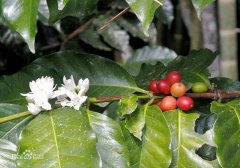
American coffee beans in the micro-producing areas of the Santa Rita Andes, Colombia
The history of coffee cultivation in Colombia can be traced back to the Spanish colonial era in the 16th century, and there are many theories about the history of coffee in Colombia: one: it is said to come from the island of Haiti in the Caribbean and from El Salvador in Central America. Second: in 1808, a priest introduced coffee beans to Colombia for the first time from the French Antilles via Venezuela. One of them

Characteristics of Antigua Coffee Guatemala Antigua Coffee introduction
In 1527, the capital was re-established in Almolonga. The city was destroyed by earthquakes and volcanic eruptions in 1541. This was followed by a series of destructive earthquakes in Antigua Guatemala. In 1543, SantiagodeMayor was rebuilt in what is now Antigua Guatemala. In the years that followed, it became the office activity center of the port director.

Flavor description of Costa Rican Tarazu Coffee beans introduction to the taste characteristics of the manor area
Flavor description of Costa Rican Tarazu Coffee beans the taste characteristics of the manor producing area introduce the Laminita Farm in Tarazhu producing area, whose strict management has established a world-class reputation and is popular in European and American markets for more than half of the century. It can be called a world-famous coffee farm. Lamini Tower means a small gold mine. Before the Spanish colonization, the Indians used to dig gold at the present farm location.
American boutique coffee flavor Columbia Santa Rita santa
The history of coffee cultivation in Colombia can be traced back to the Spanish colonial era in the 16th century, and there are many theories about the history of coffee in Colombia: one: it is said to come from the island of Haiti in the Caribbean and from El Salvador in Central America. Second: in 1808, a priest introduced coffee beans to Colombia for the first time from the French Antilles via Venezuela. One of them

Introduction to the characteristics of boutique coffee in Dominica Santo Domingo coffee production area
In December 1492, Christopher Columbus arrived on Hispaniola on his first voyage. On his second voyage there in 1493, Santo Domingo became the capital of the island. [3] thousands of Tainos were demoted to slavery and engaged in gold mining. Due to a series of oppression, hunger and disease, by 1535, the Tino had only 60,000 left. 1501, Spain

A brief introduction to the flavor, taste and aroma characteristics of Larez Yaoke boutique coffee beans
Puerto Rico was originally inhabited by the Indian Taino tribe. Christopher Columbus sailed here in November 1493 and named it San Juan in honor of John the Baptist the Baptist. In 1508 the Spaniard J. Ponce de Leon established a colonial stronghold on the island and was appointed governor the following year. It was colonized by Spain in 1509. The original on the island.

Water washing treatment of Santa Rita coffee beans in micro-producing areas of the Andes Mountains
The history of coffee cultivation in Nigeria can be traced back to the Spanish colonial era in the 16th century, and there are many theories about the history of coffee in Colombia: first, it is said to have come from the island of Haiti in the Caribbean and from El Salvador in Central America. Second: in 1808, a priest introduced coffee beans to Colombia for the first time from the French Antilles via Venezuela. One of them is

Introduction to the characteristics of Costa Rican Coffee Flavor Manor
1502 C. Columbus discovered the coast of Costa Rica on his fourth voyage. Since then, the Spanish colonists have invaded many times. The city of Catago was founded in 1563 and Costa Rica was colonized by Spain and placed under the jurisdiction of the Governor's Office of Guatemala. During the colonial period, under the cruel enslavement and oppression of the Spanish colonists, the Indians were almost wiped out and there was little labor available for enslavement.

Introduction to the flavor and taste characteristics of Costa Rican Yersalo coffee with ideal acidity
The city of Catago was founded in 1563 and Costa Rica was colonized by Spain and placed under the jurisdiction of the Governor's Office of Guatemala. During the colonial period, under the cruel enslavement and oppression of the Spanish colonists, the Indians were almost wiped out, and there was little labor available for enslavement, so the Spaniards had to cultivate small plots of land and produce the agricultural products they needed. Costa Rica has been poor for a long time